The Races
Starting club sport: a beginner's first weeks
A beginner's guide to entering club sport: first weeks of running, Couch to 5K, kit and shoes, safe hours, club affiliation, first events and volunteering.
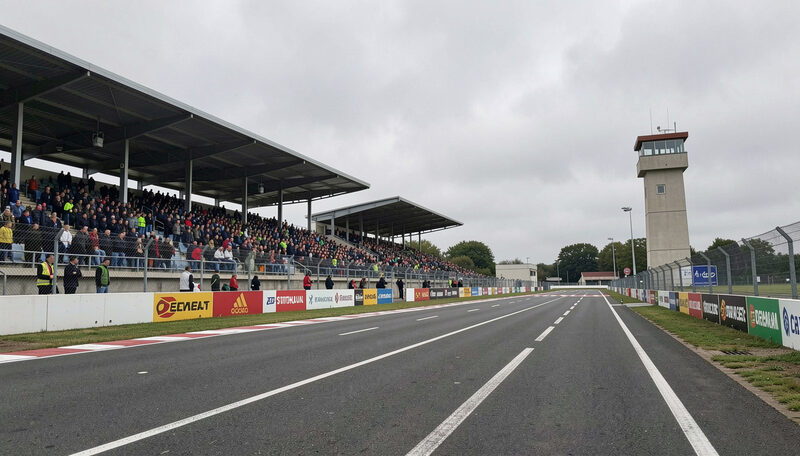
A beginner enters club sport by turning up, not by being ready. The first weeks are about short, regular runs, a pair of shoes that fit, and a time of day when the route is lit and busy. Club affiliation, first races and volunteering come after that base is in place, and each step is simpler than it looks from outside.
The pattern is the same whether the sport is athletics, cycling or swimming: a low-pressure start, a small amount of kit, a regular slot in the week, then a club that carries the paperwork. Running is the easiest example to follow because it needs almost nothing to begin, and because the structures around it, from parkrun to England Athletics, are open to adults who have never trained before. A guide such as start running, first weeks, jogging sets out that sequence for newcomers in Corby and across England, and the sections below apply the same order to anyone standing at the gate of a club for the first time.
How do I start running in my first few weeks?
Start with three runs a week, no more, and keep each one short enough that you could hold a conversation throughout. Twenty minutes is plenty at the beginning. Walk when you need to; the walking is part of the session, not a failure of it. Leave at least one rest day between runs so the legs and the tendons adapt, and expect the first two weeks to feel awkward rather than enjoyable.
Pick a route you already know, ideally a loop from your own door, so that no part of the session is spent navigating. Run at the same time of day for the first fortnight; habit forms faster when the decision is already made. Keep a note of what you did, not how fast, and resist the urge to compare it with anyone else's training.
By the end of four weeks most beginners can run continuously for twenty to thirty minutes. That is the point to think about a club, not before. A club session will be harder than anything you have done alone, and arriving with a few weeks of routine behind you makes the first visit far less daunting.
What is Couch to 5K and how does it work?
Couch to 5K is a nine-week plan that alternates walking and running, building from short running intervals to a continuous 5 kilometres. It is published in the UK by the NHS and is available as a set of podcasts and an app, with three sessions a week and a different mix of walking and running each week. The early sessions are mostly walking, which is why they suit people who have not exercised for years.
The plan works because it removes two decisions: how far to go and how hard. You follow the voice, you stop when it says stop, and you do not add extra sessions because you feel good. Most people who abandon it do so in weeks one to three, usually by running the running intervals too fast. Slow down until the last interval feels the same as the first.
At the end of nine weeks the aim is to complete 5 kilometres, not to race it. That distance is the entry point for parkrun, for club beginners' groups and for the first road league fixtures of the season, so the plan doubles as a route into organised sport rather than a private challenge.
What running kit and shoes do I need as a beginner?
Shoes matter more than everything else combined. Go to a shop that watches you run, even for a few strides on a treadmill, and buy the pair that feels comfortable rather than the pair with the best claims. Expect to replace them after roughly 500 to 800 kilometres. Everything else can wait.
For clothing, choose layers you can remove. A breathable top, a light jacket for wind and rain, and tights or shorts that do not chafe will cover most of the year in the British climate. Cotton holds sweat and rubs; technical fabrics do not. Socks deserve the same attention as shoes, since blisters end more beginner campaigns than sore muscles do.
For dark evenings, a reflective vest or armbands and a small clip-on light are the minimum. A head torch helps on unlit paths and lanes. Take a phone, tell someone your route, and run facing traffic on roads without a pavement. None of this is expensive, and none of it needs to be bought before the first run.
When is it safe to run, and where?
Run in daylight where possible, and on lit, populated routes after dark. Parks with through traffic, canal towpaths near towns, and residential streets are better than isolated lanes, even when the isolated lane is prettier. Vary your route and your start time a little rather than advertising a fixed pattern.
In winter, the practical window in the UK is often before work or at lunchtime. If you run at night, wear something reflective on the moving parts, ankles and arms, not just the torso, and assume drivers have not seen you. Tell a household member when you expect to be back. If you run with headphones, keep the volume low enough to hear traffic and other path users.
Group running solves most of these problems at once. A club beginners' group or a RunTogether session gives you company, a known route and a leader who has thought about the lighting and the surface. It also gives you a reason to turn up on the evenings when you would otherwise stay in.
How do I join a club and get affiliated?
Find a club near you through the England Athletics club search, then email before you turn up and ask which session suits a complete beginner. Most clubs offer two or three trial sessions before you pay anything. Take those sessions, speak to the coach, and ask what the annual fee covers: track access, coaching, league entries and the England Athletics registration are often separate items.
Affiliation is the formal part. Clubs register their members with England Athletics, which provides the competition licence and the runbritain handicap, and the club pays a fee per member each year. RunTogether groups sit alongside this as informal, leader-led sessions that do not require a licence; they are a common first step for adults who want company before committing to a club. Neither route obliges you to race.
When you join, ask about the club's league teams. Road and cross-country leagues run through the winter and are scored by club, which means a slow runner still contributes a finishing position. That is the main reason beginners find themselves in a vest within a few months of their first jog.
What are the first events, and how does volunteering work?
parkrun is the usual first event: a free, timed 5 kilometres every Saturday morning, with a barcode that records your result. Register once, print or save the barcode, and turn up ten minutes early for the briefing. You can walk it, and many people do. The same event needs volunteers every week, in roles such as marshal, timekeeper, barcode scanner and tail walker, and those roles can be done by anyone, including people who are not running that day.
After parkrun, the natural next steps are club training nights, then a road league fixture or a cross-country race in the winter. Track meetings follow for those who want them, usually with graded races so that newcomers are not thrown in with experienced athletes. Junior sections work the same way, with parents often staying to help.
Volunteering is the part beginners underestimate. Clubs run on it: coaching assistants, entries secretaries, team managers, cake rota, and the people who put out and collect the flags on a cross-country course. Ask what needs doing, take one role, and you will learn the sport faster than you would by training alone. The first weeks are about turning up; the years after are about the club you turned up to.