The Island
Island Sights and Days Away From Racing
What to see on the Isle of Man away from the racing: the Laxey Wheel, Snaefell by mountain railway, Peel Castle, the Manx Museum and the coast.
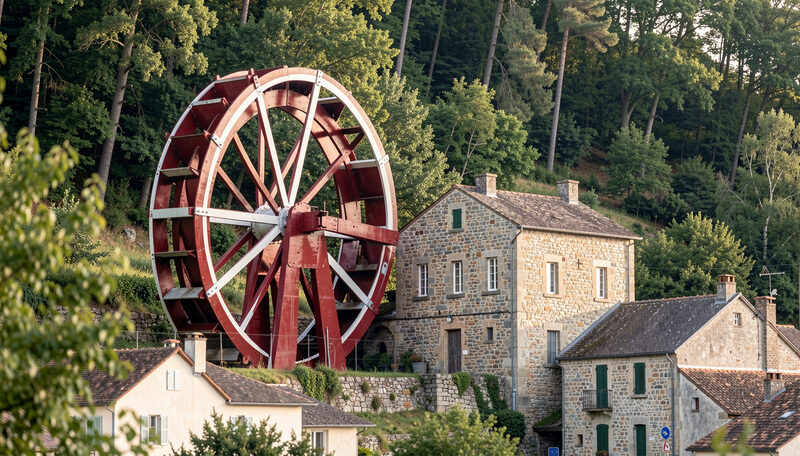
Most visitors come to the Isle of Man for the racing, and most of them discover that the island is worth several days on its own. Between sessions, or on the rest days of a TT fortnight, there are castles, a Victorian water wheel, a mountain railway, museums and a coastline that is easy to reach. This guide covers the sights that repay a day away from the hedges.
The Great Laxey Wheel
The Great Laxey Wheel is the island's best known landmark. It is a water wheel more than 72 feet (about 22 metres) in diameter, built in the 1850s to pump water from the Great Laxey Mine, and it is described by Manx National Heritage as the largest working water wheel in the world. It was designed by Robert Casement and named Lady Isabella after the wife of the Lieutenant Governor of the time.
The wheel stands on a hillside above the village of Laxey, and visitors can climb a spiral staircase to a viewing platform above it. The surrounding mine workings, including the remains of the engine houses, are part of the site. The village itself is on the east coast, and it is the junction between the Manx Electric Railway and the Snaefell Mountain Railway, which makes it an easy stop on a day out by rail. More detail is published by Manx National Heritage.
Snaefell and the mountain railway
Snaefell is the highest point on the island at about 2,036 feet (621 metres), and it can be reached by the Snaefell Mountain Railway, an electric line that climbs from Laxey to the summit. The railway dates from the Victorian period and runs only in the summer season, which is exactly when the TT is held.
On a clear day the summit offers a view that takes in England, Scotland, Ireland and Wales, and the whole sweep of the island below. On a cloudy day there is nothing to see at all, which is part of the experience. The summit is also a useful reference point for understanding the course, because the highest point of the TT circuit is on the mountain road below, at Hailwood's Height. The circuit's geography is described in the guide to the Snaefell Mountain Course.
Castles and ancient sites
Peel Castle stands on St Patrick's Isle, a small island joined to the west coast town of Peel by a causeway. The site includes a cathedral, a round tower and walls that have been rebuilt many times over more than a thousand years. The town of Peel itself has a harbour, a beach and one of the island's better known kipper industries.
Castle Rushen in Castletown is one of the best preserved medieval castles in the British Isles. It was the seat of Manx government for centuries, and its rooms and towers can be visited. Castletown was the island's capital before Douglas, and the old parliament buildings still stand in the town.
Tynwald Hill at St John's is a grass covered mound where the island's parliament meets outdoors each July for the Tynwald Day ceremony. The site is a short drive from Peel and is worth a stop for anyone interested in the island's government, which is explained in the guide to the Isle of Man.
Museums and the Manx story
The Manx Museum in Douglas covers the island's history, natural history and culture, including its archaeology, its language and the story of the TT. It is a sensible first stop for a visitor who wants context, and it is close to the promenade and the ferry terminal.
The island's heritage railway network is a museum in motion. The Manx Electric Railway runs along the east coast between Douglas and Ramsey, the Snaefell Mountain Railway climbs to the summit, and the Isle of Man Steam Railway runs in the south. Together they make a day out that does not depend on a car.
The coast and the glens
The Isle of Man has a rocky and varied coastline, with long views and a number of sheltered bays. The Calf of Man, a small islet off the south west tip, is a nature reserve known for seabirds. The island's glens, including Glen Helen on the TT course, offer wooded walks that contrast with the bare hills.
The coast path and the glens are open for most of the year, but access can be affected by race closures and by the weather. A visitor planning a walk during a TT fortnight should check which roads and paths remain open, in the same way a spectator plans around closures, as explained in the guide to watching the TT.
Fitting the island around the racing
The racing and the island are not separate holidays. The TT fortnight has rest days, practice sessions that finish before the evening, and mornings free before the roads close. Those gaps are enough to see the Laxey Wheel, ride the mountain railway or walk a glen.
The Manx Grand Prix at the end of the summer offers a second chance to combine the two, and it is described in the guide to the Manx Grand Prix and the Classic TT. For many visitors the pattern is the same: watch the racing, then spend a day on the island, and discover that the place is the reason the race could happen at all.
Two smaller pleasures are worth mentioning for anyone with time to spare. The island's beaches, particularly in the south and west, are quiet outside the race period and easy to reach by bus or car. The Manx cat, the tailless breed associated with the island, is a familiar sight in shops and on postcards, and the island's wildlife includes seabirds, basking sharks in summer and a resident population of wallabies in the north, descended from animals that escaped decades ago.